The current evolution of tea bags
The invention of the small tea bag was an unintentional move by merchants
In June 1904, Thomas Sullivan, a New York tea merchant in the United States, put a small amount of tea samples in small silk bags and mailed them to customers in order to reduce business costs. The confused customer tried soaking the small silk bag containing the tea leaves in boiling water. He found that this method of making tea was very convenient and appreciated it very much. Sullivan sensed a business opportunity in this matter and used gauze cloth instead of silk to make the prototype of today's tea bags.
Since its development, tea bags have won the hearts of many consumers. The Daily Mail quoted Sarah Howe, public relations director of the British Tetley Tea Company, as saying: "It's unimaginable what life would be like without teabags."
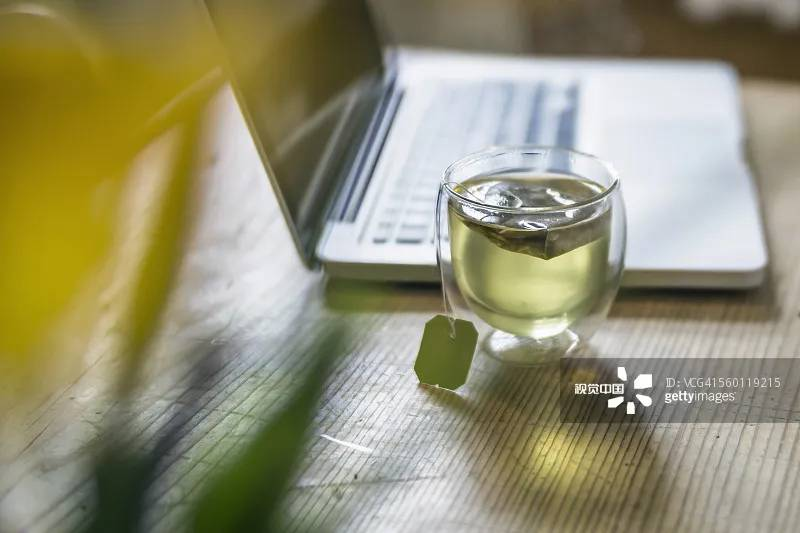
Tea bags are more than just paper and tea
The unintentional design of tea bags has gone through various improvements to better meet the needs of consumers, and the number of tea bags used has also been rising.
While disposable tea bags bring convenience to our lives, will they in turn cause any hidden dangers to you and me? Let's start with the material of the tea bag!
Currently, the most common tea bags on the market are made of filter paper, non-woven fabric, PET (polyterephthalate), nylon and PLA (polylactic acid).
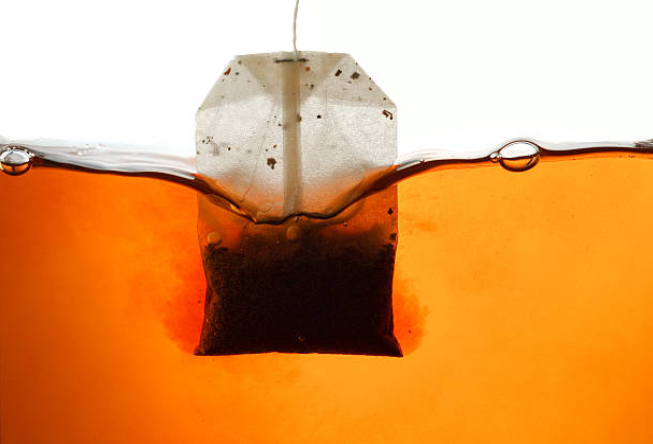
Filter paper tea bags are generally made of plant fibers and some synthetic fibers. It contains a certain amount of bleach, and its sealing staples are prone to rusting and leaching of heavy metals after being soaked for a long time. If the heat sealing method is used, the heat sealing paper contains low melting point chemical fibers, such as polypropylene fiber, ES fiber, etc., which contains trace amounts of plastic.
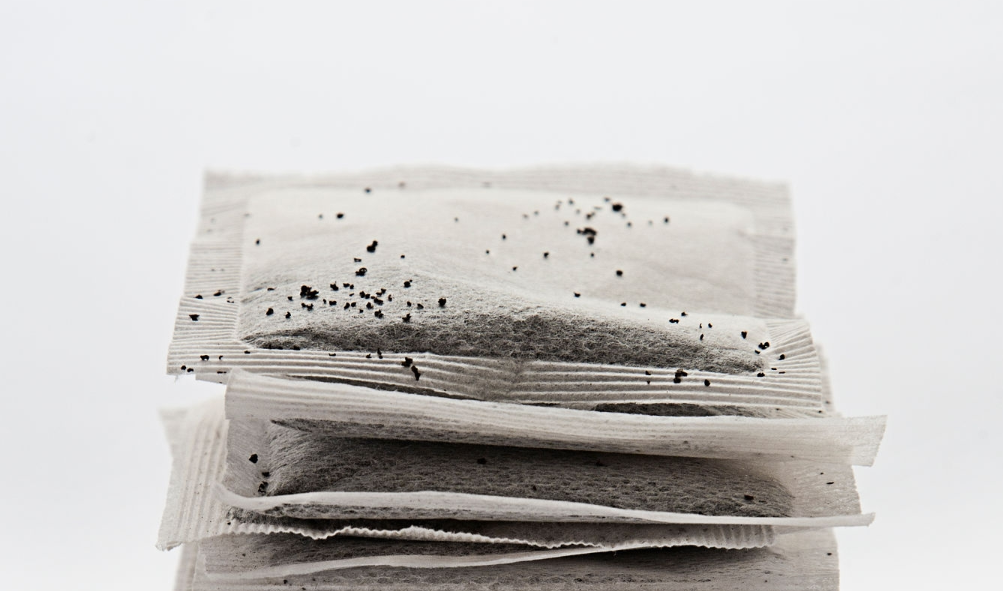
Non-woven fabric is not cloth, but plastic. It is generally made of polypropylene, that is, PP material, which is melted and spun at high temperature and then subjected to a series of processing. Some non-woven fabrics contain harmful substances during the production process. As a result, these harmful substances will be released after long-term high-temperature brewing, which will have some adverse effects on the human body.
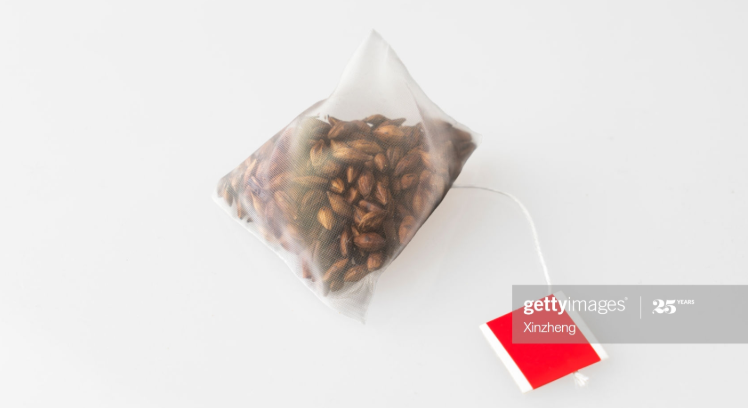
PET is a type of polyester fiber. As a tea bag, it has the characteristics of high texture and high transparency. It also has bag-making properties and shape retention properties. Generally, there is no dissolved matter when soaked. However, this type of fiber is harmful to the environment at high temperatures. It has relatively poor tolerance to pH, so brewing some teas may not be very good.
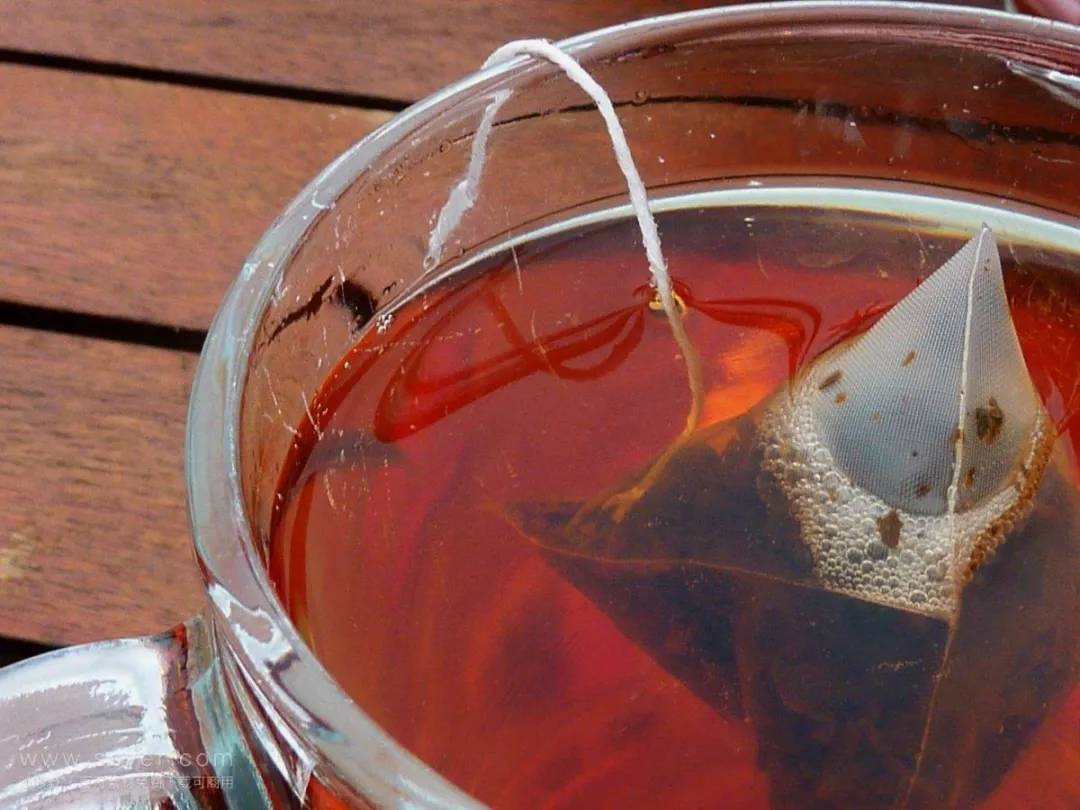
Nylon, also known as PA polyamide, is colorless, odorless, transparent and heat-resistant. In recent years, it has become more popular in scented tea. Its advantages are strong toughness, not easy to tear, strong visual permeability, and larger mesh, making it easier to brew tea flavor. However, when brewing tea, if it exceeds 90℃ for a long time, it may release Harmful Substance.
PLA polylactic acid degradable tea bags are made from renewable plant resources (such as corn) and are made from the proposed starch raw material, commonly known as "corn fiber". It has good biodegradability and can be destroyed by microorganisms in nature after use. It is completely degraded under specific conditions and eventually generates carbon dioxide and water without polluting the environment. It is recognized as a promising new generation of sustainable green environmental protection filter material.
It is worth noting that there are currently a large number of merchants on the market claiming to use corn fiber tea bags, but actually using fake corn fiber, that is, nylon tea bags. Consumers should pay attention to distinguish between nylon tea bags and corn fiber tea bags. There are two ways to distinguish them: one is to burn them with fire, and the ones with a hay-like and plant smell are corn fiber tea bags; the other is to tear them hard, and the ones that are easy to tear are corn fiber tea bags. Tea bags, on the other hand, are nylon tea bags.