What is the definition of the Chinese tea culture?
Chinese tea culture is the culture of tea making and drinking in China. China is the homeland of tea, and Chinese people have discovered and utilized tea since the Shennong era, at least for over 4700 years. Until now, the Han people still have the custom of using tea as a gift. As a classical school of Chinese tea culture, Chaozhou Gongfu tea embodies the essence of Chinese tea ceremony culture. As a representative of Chinese tea ceremony, it has been selected as a national intangible cultural heritage. In 2022, traditional Chinese tea making techniques and related customs were included in the UNESCO Intangible Cultural Heritage List. The tea frying ceremony in Japan and the tea making ceremony in Taiwan, China all originate from Gongfu tea in Chaozhou, Guangdong, China .
As one of the seven things to do when opening the door (firewood, rice, oil, salt, soy sauce, vinegar, tea), drinking tea was very common in ancient China. Chinese tea culture has a long and profound history, encompassing not only material and cultural aspects, but also profound spiritual and cultural levels. The tea scriptures of the Tang Dynasty tea sage Lu Yu have sounded the horn of Chinese tea culture in history. From then on, the spirit of tea permeated the court and society, delving into Chinese poetry, painting, calligraphy, religion, and medicine. For thousands of years, China has not only accumulated a large amount of material culture related to tea cultivation and production, but also a rich spiritual culture related to tea. This is China's unique tea culture, which belongs to the field of cultural studies.Chinese tea culture is the culture of tea making and drinking in China. China is the homeland of tea, and Chinese people have discovered and utilized tea since the Shennong era, at least for over 4700 years. Until now, the Han people still have the custom of using tea as a gift. As a classical school of Chinese tea culture, Chaozhou Gongfu tea embodies the essence of Chinese tea ceremony culture. As a representative of Chinese tea ceremony, it has been selected as a national intangible cultural heritage. In 2022, traditional Chinese tea making techniques and related customs were included in the UNESCO Intangible Cultural Heritage List. The tea frying ceremony in Japan and the tea making ceremony in Taiwan, China all originate from Gongfu tea in Chaozhou, Guangdong, China .
As one of the seven things to do when opening the door (firewood, rice, oil, salt, soy sauce, vinegar, tea), drinking tea was very common in ancient China. Chinese tea culture has a long and profound history, encompassing not only material and cultural aspects, but also profound spiritual and cultural levels. The tea scriptures of the Tang Dynasty tea sage Lu Yu have sounded the horn of Chinese tea culture in history. From then on, the spirit of tea permeated the court and society, delving into Chinese poetry, painting, calligraphy, religion, and medicine. For thousands of years, China has not only accumulated a large amount of material culture related to tea cultivation and production, but also a rich spiritual culture related to tea. This is China's unique tea culture, which belongs to the field of cultural studies.
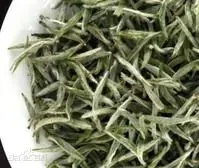
Tea Culture
Chinese people pay attention to the word "taste" when drinking tea. "Tasting tea" not only distinguishes the quality of tea, but also carries the meaning of contemplation and appreciation of the taste of drinking tea. Soak a pot of strong tea amidst your busy schedule, choose an elegant and quiet place, pour and drink it on your own, which can eliminate fatigue, cleanse your mind, and uplift your spirit. You can also sip it slowly to achieve the enjoyment of beauty, elevating your spiritual world to a noble artistic realm. The environment for tea tasting is generally composed of factors such as buildings, gardens, decorations, and tea utensils. Drinking tea requires quietness, freshness, comfort, and cleanliness. Chinese gardens are world-renowned, and the scenery of mountains and rivers is countless. Using gardens or natural landscapes, wooden pavilions and chairs are made, and tea rooms are set up to give people a poetic and picturesque atmosphere. For people to take a nap, it is full of interest.
Chinese tea art enjoys a great reputation worldwide and was introduced to Japan in the Tang Dynasty, forming the Japanese tea ceremony. The Japanese fried tea ceremony and the Taiwanese brewed tea ceremony both originate from the Gongfu tea in Chaozhou, Guangdong, China. [5] Chaozhou Gongfu Tea Art is a national intangible cultural heritage and a unique traditional tea drinking custom in the Chaoshan region of Guangdong Province. It is an important part of Chaoshan tea culture and Chaoshan tea ceremony, and the most representative form of Chinese tea art. It is a complete form of tea ceremony that integrates spirit, etiquette, brewing techniques, tea inspection techniques, and quality evaluation. It is not only a tea art, but also a folk custom, and is known as "Chaozhou people have elegant habits and superb measures" A symbol of.
Chaozhou Gongfu tea is very common in the local area and is used to make friends. Whether in public places or in residents' homes, whether in roadside villages or factories and shops, people are everywhere pondering and drinking. Tea tasting is not only aimed at quenching thirst, but also involves connecting emotions, exchanging information, chatting for leisure, or negotiating trade. Chaozhou Gongfu tea contains rich cultural content.
Chaozhou Gongfu tea is the most representative tea ceremony in China's ancient traditional tea culture, and in the local area of Chaoshan, tea is regarded as the best etiquette for entertaining guests. This is not only because tea has many health benefits in many aspects, but also because tea has always had the artistic conception of "treating gentlemen and clearing the mind and body" since ancient times. Drinking Gongfu tea is the most common thing in the daily life of Chaoshan people in Guangdong. After meals, when guests visit or friends meet, they are accompanied by a pot of tea.
Many people enjoy the art of brewing and drinking tea, including those who are not Chinese. Many people are enthusiastic about tea art. They not only love the taste of tea, but also enjoy the fun of brewing tea. Tea culture is very attractive, and it can also relax the mind. It is said that people can forget all the troubles in life when brewing and drinking tea. Many people enjoy drinking tea with others, not only to share beautiful tea, but also to experience the comfort of being with others.
The "Classic of Tea" written by Lu Yu of the Tang Dynasty systematically summarizes the experience of tea production and drinking during and before the Tang Dynasty, and proposes the spirit of tea ceremony that emphasizes refinement, frugality, and morality. A group of cultural figures such as Lu Yu and Jiao Ran attach great importance to the spiritual enjoyment and moral standards of tea, pay attention to tea utensils, tea drinking water, and tea brewing art, and blend with the philosophical ideas of Confucianism, Taoism, and Buddhism, gradually leading people into their spiritual realm. During the tea drinking process of some literati and literati, they also created many tea poems. In the "Complete Tang Poems" alone, there are over 400 poems from over a hundred poets that have been passed down to this day, laying the foundation for Chinese tea culture. Tea has shone brightly in the Chinese tea industry.