How are non-woven fabrics used?
Nonwovens penetrate a wide range of markets, including medical, clothing, automotive, filtration, construction, geotextiles and protection. The use of non-woven fabrics is increasing. Without them, our current lives will become incomprehensible. In fact, non-woven fabrics play an indispensable role in the convenience economy.
There are basically two types of non-woven fabrics: durable and disposable. About 60% of non-woven fabrics are durable, and another 40% is discarded. These special fabrics are carefully designed to provide specific functions such as absorbency, sterility, liquid repellency, resilience, stretchability, softness, strength, flame retardancy, cushioning, heat insulation, sound insulation and Filterability. These characteristics are usually combined to create a fabric suitable for a specific job, while achieving a good balance between product life and cost.
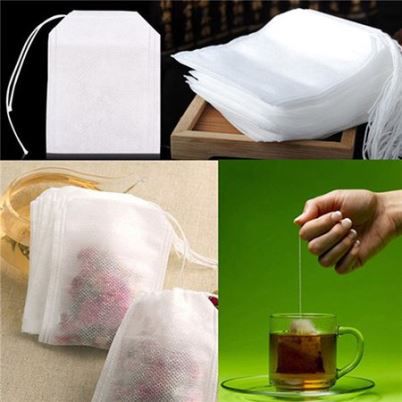
Most notably, non-woven fabrics are used in the following industries:
Health and hygiene. Diapers, feminine hygiene, adult incontinence, wet wipes (personal care, nails), beauty pads, consumer masks.
Geotextiles and construction. Soil stabilizers and road cushions, erosion control, canal construction, drainage systems, geomembrane protection, sand infiltration barriers for drainage tiles, landfill linings, insulation materials (glass fiber wool), weather-resistant housing packaging materials, plant potting Material.
industrial. Carpet backing, primary and secondary, packaging that requires pores, industrial wipes, composite materials (sail laminate, tablecloth laminate, chopped mat), flooring, backing/stabilizer for machine embroidery.
Automobiles and transportation. Gasoline, oil and air filtration, tarps and transport packaging.
acoustics. Sound insulation and silencer of electrical appliances, auto parts and wall panels
apparel. Interlining, insulating and protective clothing, industrial work clothes, chemical protective clothing, shoe parts, backing/stabilizer for machine embroidery.
medical. Isolation gowns, surgical gowns, surgical drapes and drapes, surgical masks, surgical scrubs, caps, medical packaging: porosity allows gas sterilization, gloves, shoe covers, bath towels, wound dressings, drug delivery, plasters, medical masks, one-time Sex clothes (foot covers, work clothes), clean room wipes, filters used in the pharmaceutical industry.
Package. Meat packaging (absorbent pads), shopping bags, mailing envelopes, transportation supplies.
furniture. Pillows, cushions, mattress cores and cushions, quilts in quilts.
family. Filter, ie. Air, water, coffee, tea bags, vacuum bags; food preparation wipes, household wipes, surface cleaning.